Freebie, Opt-In, or Sales Page: How Coaches Can Use Every Touchpoint to Serve and Sell
Every coaching business has touchpoints that shape how clients experience the brand. These touchpoints include freebies, opt-in pages, and sales pages. Each one has a clear purpose, but many coaches do not use them in a connected and intentional way. This often leads to confusion for potential clients who want to learn more, but do not know where to go next.
When the journey feels unclear, people lose interest. When the journey feels supportive, people are more likely to stay, explore, and eventually invest. That is why understanding how each element works is an important part of building a strong online presence.
This blog will guide you through the role of freebies, opt-ins, and sales pages, and how they help your business serve with heart while still selling with confidence. It will also help you see how these pieces fit together so your website and funnel feel aligned, simple, and easy for your audience to follow. As you learn how to use lead magnets for coaches in a clear and strategic way, you will also see how your online design and structure can support long-term growth.
What Role Do Lead Magnets Play for Coaches?
A lead magnet is a free resource that gives your audience something helpful in exchange for their name and email address. For coaches, this often looks like a short guide, a worksheet, a meditation, or a simple checklist. The goal is to offer support right away so people can experience the value of your work before they decide to take a bigger step.
Lead magnets matter because they help you reach people who are curious about what you offer but may not be ready to book a session. When your free resource solves a small but real problem, you show potential clients that your approach is thoughtful and effective. This builds trust, which is something every coaching relationship needs.
For wellness and spiritual coaches, a good lead magnet can also set the tone for your energy and style. It gives people a first look at your perspective and the way you guide transformation. When done well, a lead magnet feels aligned with your brand and leads people toward the next step on your website or in your funnel.
This is why lead magnets for coaches are more than simple freebies. They are invitations into a deeper relationship, and they help you create a steady path for clients who are exploring your work for the first time.
Freebie vs. Opt-In: What Is the Difference?
Many coaches use the words “freebie” and “opt-in” as if they mean the same thing, but they play two different roles in your funnel. Understanding the difference helps you create a smoother experience for your audience.
Freebie: A freebie is the actual resource you give away. It can be a short guide, a ritual, a mini workbook, or anything that offers real support. The freebie is the gift. It is the value your audience receives right away.
Opt-In: An opt-in is the page or form people use to access that gift. It collects a name and email address so you can deliver the freebie and continue building the relationship. The opt-in is the gateway. It is the place where curiosity turns into connection.
When a freebie and opt-in work well together, they help the right people join your community with ease. The freebie shows what you can help with, and the opt-in page explains why it matters. Coaches often struggle when these two parts do not match in tone, design, or clarity. This disconnect can cause people to lose interest before they even receive your offer.
Creating a clear difference between the freebie and the opt-in helps you guide your audience through a simple, thoughtful first step. It also sets the foundation for the rest of your funnel and the journey that follows.
The Opt-In Page: Where Curiosity Turns Into Commitment
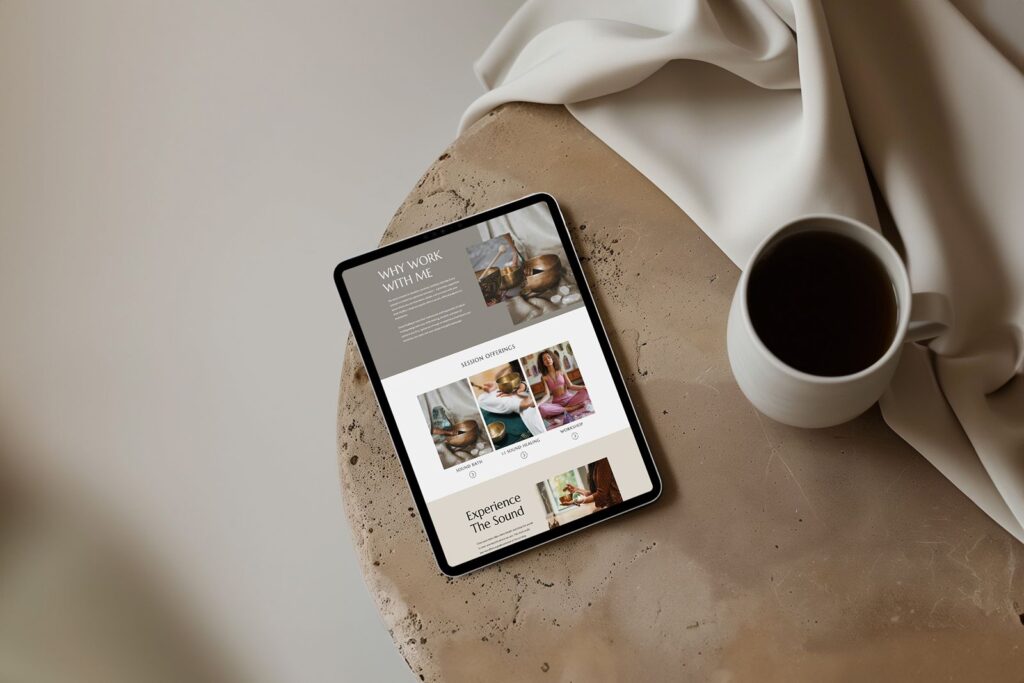
An opt-in page is often the first real interaction someone has with your brand. It is the place where a visitor decides whether they want to take the next step with you. This is why the design and structure of this page matter as much as the freebie itself.
A strong opt-in page speaks to a specific problem your audience wants to solve. It explains what the freebie is, who it is for, and the shift it will help create. When this message is simple and clear, people understand why they should sign up, and they do it with confidence.
Design also plays an important role. A clean layout, aligned colors, and readable text help people stay focused. Short paragraphs, clear headings, and a single call to action reduce confusion and keep the page easy to follow. When a page looks consistent with the rest of your brand and works well on mobile, visitors feel more trust in your coaching business. If you want support with building a clear and aligned online presence, explore our web design for coaches services.
A good opt-in page is not about adding more information. It is about guiding someone toward one meaningful choice. When the message, visuals, and page structure work together, your opt-in becomes a natural invitation that turns curiosity into commitment.
Bridging the Gap: Nurturing Between Opt-In and Offer
After someone signs up for your freebie, the next step is to guide them with a simple and supportive nurturing sequence. Many coaches overlook this stage, but it is where trust begins to grow. People have shown interest by joining your email list, and now they need a gentle path that helps them understand your approach and the transformation you offer.
A nurturing sequence can be a short series of emails that introduces your work in a warm and helpful way. You might share a personal story, give a practical tip connected to your freebie, or explain why your method supports the results your clients want. These messages are not meant to push a sale. Their purpose is to build a relationship and help your new subscriber feel seen and supported.
When your nurturing emails have a clear direction, they lead your audience toward your paid offer without pressure. This creates a smooth transition from free value to deeper work with you. A thoughtful follow-up also prepares people for your sales page, because they already understand your voice, your values, and the results you help clients achieve.
Nurturing is the bridge that connects interest to action, and it strengthens the entire funnel with steady, genuine connection.
When and Why Coaches Need a Sales Page
A sales page is the place where a potential client makes a clear decision about working with you. While an opt-in page invites someone to explore, a sales page invites them to commit. This is why the purpose of a sales page is very different from the earlier steps in your funnel.
Coaches need a sales page when they have a paid offer that requires more explanation than a short description. This can include a signature program, a group coaching series, a workshop, or a course. A strong sales page helps readers understand what the offer is, who it is for, and how it supports the results they want. It gives people the information they need to make an informed and confident choice.
A good sales page guides the reader through a clear story. It explains the problem your audience is facing, the transformation your offer creates, and what they will learn or experience inside your program. It also answers common questions and helps your visitors feel safe in taking the next step. When the layout is simple and the design feels aligned with your brand, the message becomes easier to trust.
Coaches often notice a shift when they create a sales page that is both structured and heartfelt. It allows the right people to see themselves inside the offer and understand how your work can support their growth. A well-designed sales page becomes a natural extension of your coaching style and makes the path to working with you feel clear and grounded.
How Each Touchpoint Works Together: Your Client Journey Map
Each part of your funnel plays a different role, but the true strength comes from how these pieces connect. When your freebie, opt-in page, nurturing emails, and sales page work together, they create a clear journey that supports your audience step by step.
The freebie starts the relationship by offering practical help. The opt-in page prepares people for what they can expect. The nurturing sequence builds trust by showing your approach and personality. The sales page then becomes a natural next step because your audience already understands your message and feels supported by your guidance.
When these touchpoints are aligned in tone and design, your funnel feels smooth and intentional. Visitors on your website understand where to go and what to do next. Instead of feeling overwhelmed, they experience a simple and thoughtful path that leads them deeper into your work.
A coaching business grows when every touchpoint helps people feel seen and guided. When your digital journey has structure and clarity, it becomes easier for the right clients to move forward with confidence.
Want to get it right from the start? My newest offer The Aligned Growth Suite will not only give you a custom website with strategy but also a funnel design that converts your coaching clients with ease.
Common Mistakes Coaches Make With Lead Magnets and Funnels
Many coaches create helpful resources but still struggle to see results because a few key elements are missing. These mistakes are easy to fix once you understand what is getting in the way.
- One common mistake is offering a freebie that is too broad or too disconnected from the main coaching offer. When the topic does not lead to the next step, people enjoy the free resource but do not continue the journey.
- Another mistake is using an opt-in page that feels cluttered or unclear. If the message is confusing, visitors are less likely to sign up, even if the freebie is valuable.
- Coaches also run into problems when different parts of their funnel feel visually or emotionally mismatched. A freebie may feel calm and supportive, but the opt-in page or sales page may feel busy or inconsistent. This creates friction and makes it harder for people to trust the process.
- The last common mistake is skipping the nurturing stage. When subscribers receive the freebie but do not hear from you afterward, the connection fades before they learn about your deeper work.
By avoiding these mistakes, you create a smooth and aligned experience that helps your audience feel more comfortable moving toward your paid offers.
Ready to Strengthen Your Client Journey?
If you want your digital touchpoints to feel clear, aligned, and supportive, the right website and funnel design can help you create a smoother path for your audience. When your freebie, opt-in, and sales page work together, your business becomes easier for potential clients to understand and trust.
If you are looking for guidance in building a website or funnel that reflects the heart of your coaching practice, you can explore our custom design services or browse templates made specifically for coaches. Each option is crafted to help you create an online presence that feels grounded, aligned, and ready to grow with you.
Contact us now and bring your digital vision to life with ease.
Frequently Asked Questions
- What makes a good lead magnet for coaches?
A strong lead magnet solves a specific problem your ideal client is facing. It should be simple, helpful, and easy to consume. The best lead magnets give a quick win and introduce your coaching style so people feel comfortable taking the next step.
- How do I know if my opt-in page is effective?
An effective opt-in page is clear, focused, and easy to understand. It explains the value of the freebie, uses short sections, and guides visitors toward one action. If people understand the benefit right away, your page is working well.
- Do I need a sales page for every offer?
You only need a sales page for offers that require explanation. This includes coaching programs, group sessions, courses, or workshops. Smaller offers or low-priced items may not need a full sales page, but a clear description still helps people make a decision.
- How long should my nurturing sequence be?
There is no set rule, but three to five emails work well for most coaching businesses. The purpose is to build connection, not overwhelm your audience. Focus on offering simple guidance, stories, or insights that help people feel supported.
- How do I make sure my funnel feels aligned with my coaching brand?
Start by choosing topics and messages that reflect your values and the transformation you help create. Make sure your visuals, tone, and page layout stay consistent from the opt-in to the sales page. When everything feels connected, your audience will feel a stronger sense of trust and alignment.

Your coaching transforms lives — your personal brand and online presence should reflect that. Together, we’ll we’ll clarify your direction or create a soulful, strategy-led website and funnel that helps the right clients find you, trust you, and say “yes” with ease.
